

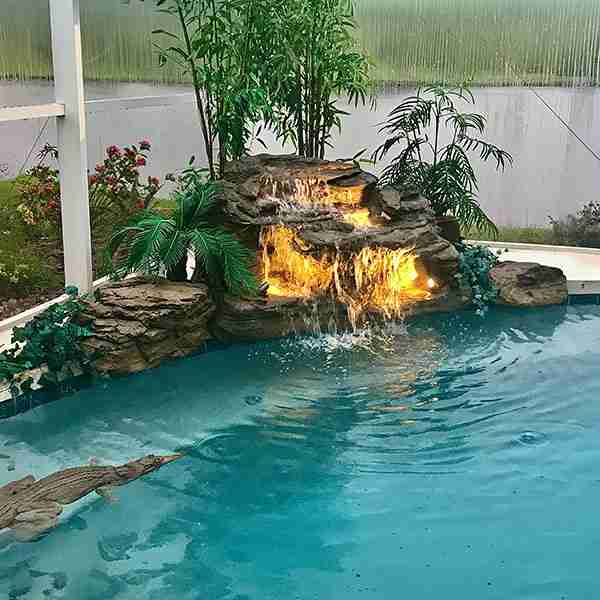
There’s something about the sound of moving water that makes an outdoor space feel finished. A backyard without it can be beautiful, sure, but add a fountain or a small waterfall and the whole mood shifts. Traffic noise fades. Conversations slow down. You actually want to sit outside longer. That’s the real reason homeowners keep coming back to water features year after year. It’s not just about how the yard looks. It’s about how the yard makes you feel.
Beyond the calming effect, a well-chosen backyard water feature adds genuine curb appeal and can increase your property’s perceived value. Birds, butterflies, and other wildlife are drawn to the sound and movement of water, so your yard starts to feel more alive the moment you turn the pump on. And the variety of options available today means there’s a water feature for every yard size, every style, and nearly every budget.
If you’re in the dreaming-and-planning stage right now, this is a good place to start. We’re going to walk through the most popular types of backyard water features, talk about what works in small spaces versus large ones, and cover the practical details that most “idea” articles skip over, like placement, scale, and what kind of maintenance you’re actually signing up for.
Tiered Fountains: The Classic Backyard Centerpiece
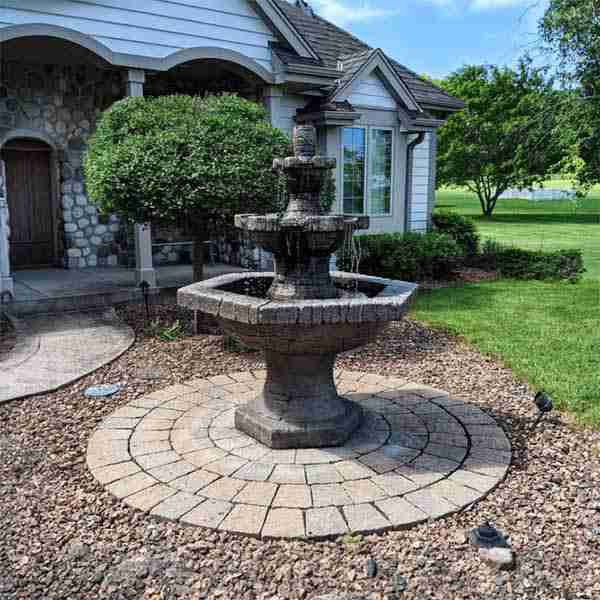
Tiered fountains have been anchoring gardens and patios for centuries, and the reason is simple. They work. A two- or three-tier cast stone fountain creates a natural focal point, fills the air with the sound of cascading water, and looks good from every angle. You don’t need to build anything into the ground. You don’t need special plumbing. Most tiered fountains are self-contained, meaning the water recirculates through an internal pump, and all you need is a flat surface and a nearby outlet.
One thing we tell customers all the time is to think about scale before you fall in love with a specific style. A 60-inch tiered fountain will look stunning in a large garden but will overpower a small patio. For compact spaces, a tabletop or single-tier fountain might be the better call. For larger yards, a grand three-tier fountain in cast stone or concrete can serve as the anchor for an entire outdoor living area. Brands like Campania International and Henri Studio offer dozens of styles ranging from classical European to clean, transitional designs, so there’s no shortage of options to match your home’s architecture.
Tiered fountains also happen to be one of the lower-maintenance water feature options. You’ll need to keep the basin topped off during hot months, clean out leaves and debris occasionally, and winterize if you live in a freeze zone. That’s about it. The pump does the rest.
Contemporary Self-Contained Water Features
If your landscape leans modern, a contemporary self-contained fountain might be more your speed. These are the clean-lined, geometric, and sculptural water features that pair well with minimalist plantings, concrete patios, and modern architecture. Think smooth columns with water sheeting down the sides, stacked slate pillars, or polished sphere fountains that send water flowing evenly over a rounded surface.
What makes these appealing for a lot of homeowners is the simplicity. Most contemporary water features are designed as all-in-one units. The pump, basin, and decorative element are all integrated, so setup is straightforward. You’re not coordinating multiple components or hiring someone to dig a hole. You place the feature, fill it with water, plug it in, and you’re done. They also tend to have a smaller footprint than traditional tiered fountains, which makes them a strong fit for patios, side yards, or small courtyards where every square foot matters.
The materials vary widely. You’ll see options in cast stone, fiberglass, stainless steel, copper, and even corten steel that develops a natural rust patina over time. If you’re drawn to this style, it’s worth spending time browsing contemporary fountain collections to see the full range. The right piece can make a small backyard feel like a designed space rather than just a patch of grass.
Pondless Waterfalls for Low-Maintenance Appeal
Pondless waterfalls have become one of the most requested backyard water features over the past decade, and the appeal is easy to understand. You get the look and sound of a natural waterfall without the open pond. Water cascades over rocks, disappears into a hidden underground reservoir filled with gravel, and gets pumped back up to the top. No standing water means fewer mosquitoes, less worry if you have small children or pets, and significantly less maintenance compared to a traditional pond.
The beauty of a pondless setup is that it can be scaled to fit almost any yard. A small, single-drop waterfall tucked into a corner bed works for tight spaces. A longer, multi-drop cascade built into a sloped section of the yard can become a dramatic landscape feature that you hear before you see it. The rock work can be customized to look completely natural, blending into existing landscaping so it feels like the waterfall has always been there. Installation does require some excavation and planning — typically a project you’ll want professional help with — but the long-term payoff in both beauty and ease of care is significant.
If you’re leaning toward a pondless waterfall, think about where you spend the most time in your yard. You want the waterfall positioned where you’ll hear and see it regularly, not tucked behind the garage where nobody goes. Near a patio, along a seating wall, or visible from a kitchen window are all strong choices.
Wall-Mounted Features for Smaller Backyards and Patios
When ground space is limited, walls become your best friend. Wall-mounted water features take up almost no floor space while still delivering the soothing sound and visual interest of a traditional fountain. They’re ideal for small backyards, narrow side yards, patios, and even balcony areas. A wall fountain mounted on a garden wall or privacy fence can turn an otherwise forgettable corner into the best seat in the yard.
Styles range from ornate lion-head spouts with Old World character to sleek, flat-panel designs that send a thin sheet of water down a smooth surface. Some wall fountains are designed to mount directly to an existing structure, while others are freestanding units with a built-in back panel, so you don’t need to drill into your house or fence. Either way, the footprint is minimal. You’re looking at a few inches of depth from the wall and a basin width of maybe 18 to 30 inches, depending on the model.
One underrated benefit of wall features is the way they interact with light. A west-facing wall fountain catches late-afternoon sun, and the moving water creates reflections that bring the surface to life. Pair a wall fountain with some fountain lighting and you’ve got something worth looking at well after the sun goes down.
Fire and Water Combinations: A Statement Piece
Fire and water bowls are one of those features that stop people mid-conversation. There’s something almost primal about watching flames flicker above the surface of flowing water. These combination pieces pair a burner element (usually fueled by natural gas or propane) with a water basin that spills over the edges or flows through a channel. The contrast of warm firelight and cool, moving water creates an atmosphere that’s hard to replicate with any other single feature.
Fire and water bowls tend to work best as accent pieces near outdoor seating areas, pools, or dining spaces. They’re not typically the kind of thing you install in the middle of a garden bed. They’re social features, designed to draw people in and give them a reason to linger. Size-wise, they range from compact tabletop versions to large, architectural-scale bowls that can serve as the centerpiece of an entire outdoor entertainment area.
The one thing to plan ahead for is the gas connection. Unlike a self-contained fountain that just needs an outlet, a fire and water bowl typically requires a dedicated gas line, which means working with a licensed plumber or contractor during installation. Once it’s in, though, the maintenance is minimal and the visual impact is hard to beat.
Backyard Water Feature Ideas for Small Yards
A small yard doesn’t mean you have to skip the water feature. It just means you need to be more intentional about what you choose and where you put it. The best backyard water feature ideas for small yards prioritize vertical space over footprint, keep the design clean and uncluttered, and use the sound of water to make the space feel larger than it actually is. Moving water creates a sense of depth and atmosphere that tricks the eye into perceiving more room.
Some of the best small-yard options include:
- Wall-mounted fountains that free up ground space while adding sound and movement to a patio or courtyard
- Bubbling rock features or urn fountains that create a self-contained water element in under two square feet of space
- Container water gardens built inside a large decorative pot with a small recirculating pump and a few aquatic plants
- Tabletop fountains placed on an outdoor dining table or shelf to add ambiance without taking up any yard space at all
The key is proportion. A feature that’s too large for the space will feel cramped and overwhelming. A feature that’s too small will get lost. As a general rule, your water feature should be scaled so that it draws the eye without dominating the entire area. If you have a 10-by-12-foot patio, a 24-inch urn fountain or a medium wall fountain will feel balanced. If you have a small courtyard garden, a single bubbling rock nestled among plants can be all you need to set the tone.
Large Backyard Water Fountain Ideas

If you have the room to work with, a large backyard opens up possibilities that smaller spaces simply can’t support. A grand tiered fountain placed at the end of a garden path creates a destination. A series of spillway bowls arranged in a cascading line adds movement across a wide patio. A natural-looking waterfall built into a hillside or retaining wall can become the defining feature of your entire landscape.
For large yards, consider how the water feature relates to the rest of your outdoor living space. A fountain placed near a seating area creates a gathering spot. One positioned at the far end of the yard creates a visual anchor that draws your eye and makes the whole property feel more intentional. If you have both a pool and a garden area, a pool waterfall or sheer descent feature can tie the two zones together while adding the sound of moving water to your swim area.
Larger features also give you more room to layer in landscaping around the base. Ornamental grasses, low groundcover, and flowering perennials planted around a fountain or waterfall soften the edges and help the feature blend into the surrounding yard rather than looking like it was dropped in from a catalog.
Placement Tips: Where to Put Your Water Feature
Placement makes or breaks a water feature. You can buy the most beautiful fountain on the market, but if it’s sitting in the wrong spot, it won’t deliver the experience you’re hoping for. Here are the practical considerations that matter most:
- Proximity to seating: Place your water feature where you’ll hear it while you’re sitting, dining, or relaxing. The sound is half the appeal, and it fades quickly with distance.
- Sight lines from inside the house: A fountain visible from a kitchen or living room window extends the enjoyment beyond just the hours you spend outside.
- Sun and shade balance: Full sun promotes algae growth in the basin, so partial shade or a spot that gets morning sun and afternoon shade is ideal for most fountains.
- Level ground: Most freestanding fountains need a flat, stable surface. An uneven base can cause the fountain to lean, run unevenly, or even crack over time.
- Access to power: Nearly every recirculating water feature needs an electrical outlet. Plan for this early so you’re not running extension cords across the patio.
One more thing worth mentioning: avoid placing a water feature directly under a large deciduous tree. Falling leaves will clog the pump and the basin, turning a relaxing feature into a maintenance chore. A few feet of clearance from overhanging branches makes a noticeable difference in how often you’ll need to clean things out.
What to Expect with Maintenance
Every water feature requires some level of upkeep, but the amount varies widely depending on what you choose. Self-contained fountains and bubbling rocks are at the low end of the spectrum. You’ll top off the water as it evaporates, clean the basin and pump every few weeks, and winterize the unit if you’re in a climate that freezes. That’s about 15 minutes of effort every couple of weeks during the warmer months.
Pondless waterfalls require a bit more attention. The gravel bed can accumulate debris over time, and the pump may need to be pulled and cleaned once or twice a season. The reservoir should be checked periodically to make sure the water level is sufficient. Still, compared to a full pond with fish and aquatic plants, the maintenance is modest.
Traditional ponds with fish and plants are the most involved. You’re managing water quality, feeding fish, controlling algae, maintaining pumps and filters, and dealing with seasonal changes. They’re rewarding if you enjoy that kind of hands-on involvement, but they’re not a “set it and forget it” feature. Be honest with yourself about how much time you want to spend on upkeep before you commit to a particular type.
One universal tip: use a pump with a built-in filter or add an inline filter to catch debris before it reaches the pump. This one small addition extends pump life significantly and reduces how often you need to clean the system. Products like submersible fountain pumps from Aquascape are designed specifically for outdoor water features and handle debris better than generic utility pumps.
Backyard Water Features on a Budget
You don’t need to spend thousands of dollars to enjoy water in your yard. Some of the most charming backyard water features are also the most affordable. A simple bubbling urn, a single-basin fountain, or a DIY container water garden can cost a fraction of what a full waterfall installation runs, and still deliver that calming sound and visual interest that makes outdoor time feel special.
If you’re working with a tighter budget, focus on self-contained, plug-and-play options. These are fountains that arrive ready to set up with no professional installation needed. Publications like Better Homes & Gardens regularly feature cast stone and fiberglass fountains in the $200 to $600 range that look far more expensive than they are. A well-placed single-tier fountain on a patio can have the same emotional impact as a feature costing five times as much, because the sound of water doesn’t care about the price tag.
Another budget-friendly approach is to start small and build over time. Add a simple fountain this year. Next year, add landscape lighting around it. The year after that, expand the garden bed or add plantings. You end up with a layered, intentional outdoor space without a single large expense.
Privacy and Sound Masking with Water Features
One of the most practical reasons to add a backyard water feature has nothing to do with aesthetics. It’s about sound. If you live on a busy street, near a highway, or in a neighborhood where your neighbors’ conversations carry, the consistent white noise of a fountain or waterfall can make a real difference in how private and peaceful your outdoor space feels. The sound doesn’t eliminate noise completely, but it softens it and gives your ears something pleasant to focus on instead.
For the best sound-masking effect, choose a water feature with a higher flow rate and more surface agitation. Tiered fountains with multiple drops, waterfalls cascading over textured rock, and multi-spout wall features all generate more ambient sound than a quiet bubbler. Position the feature between your seating area and the noise source for maximum effect. The closer the water sound is to where you sit, the more effectively it masks unwanted background noise.
Ready to Pick the Right Water Feature for Your Yard?
Choosing a backyard water feature comes down to three things: the space you have, the look you want, and the level of maintenance you’re comfortable with. A compact patio calls for a wall fountain or a self-contained bubbler. A sprawling backyard can handle a dramatic tiered fountain or a natural-looking waterfall. And if you want something truly unique, a fire and water bowl delivers an experience that no other single feature can match.
At Water Feature Pros, we’ve spent over 27 years helping homeowners find the right fit. If you’re not sure where to start, give us a call at (941) 256-0152 or browse our full collection of outdoor fountains. Send us some pictures of your space and we’ll walk through the options with you. That’s what we’re here for.