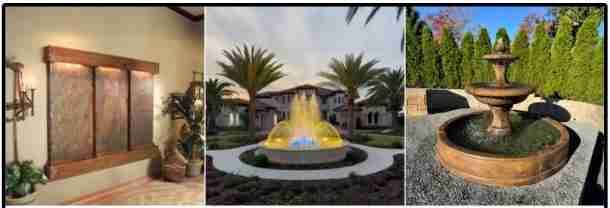

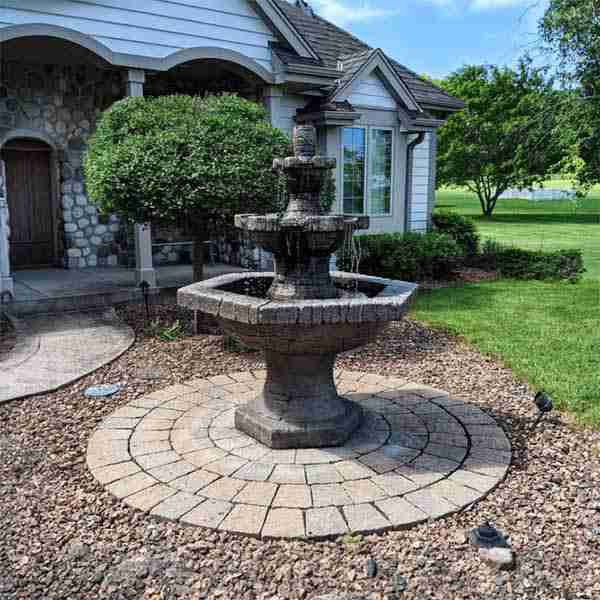
Few things change the feel of an outdoor space as quickly and completely as the sound and sight of moving water. A garden fountain brings life to a front yard, patio, or backyard in a way that no other landscaping element can. It adds sound where there was silence, movement where everything was still, and a natural gathering point that draws the eye and invites you to slow down. Garden water features have been a staple of beautiful landscapes for centuries, and they remain one of the most popular upgrades homeowners choose when they want to make an outdoor space feel more finished, more personal, and more enjoyable to spend time in.
What makes garden fountains so versatile is the sheer variety of styles, sizes, and materials available. There’s a fountain for every landscape, every budget, and every taste. From a grand tiered fountain anchoring a formal garden to a small bubbling urn tucked into a shady corner, the right fountain can turn an ordinary yard into something you’re genuinely proud of. The key is understanding the options and choosing the one that fits your space, your home’s architecture, and the way you actually use your yard.
Tiered Fountains: The Classic Garden Centerpiece
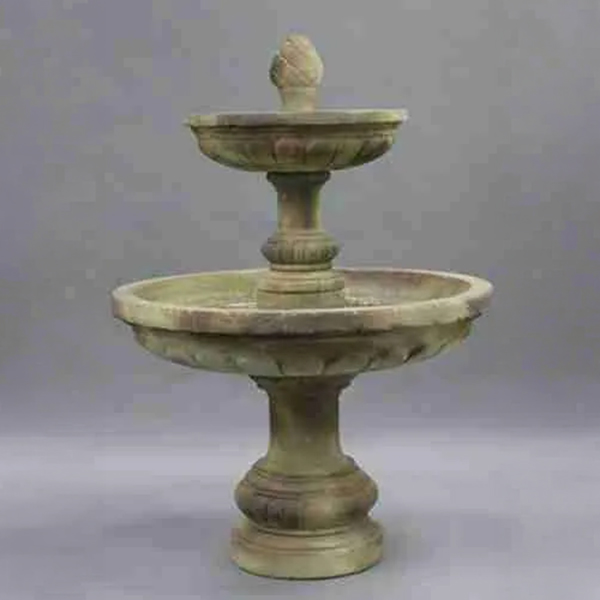
When most people picture a garden fountain, they’re imagining a tiered design. Two or three bowls stacked vertically, with water cascading from the top tier down into each successive basin below. It’s the most iconic fountain style for a reason: tiered fountains create a sense of grandeur and formality that works beautifully in courtyards, large gardens, and as the central feature of a front yard. The cascading water produces a rich, layered sound that carries across the yard, and the vertical height draws the eye upward in a way that adds dimension to flat landscapes.
Tiered outdoor fountains come in a wide range of sizes, from compact two-tier models that fit comfortably on a small patio to large three-tier designs that can stand five or six feet tall. The classic European garden look calls for ornate detailing, fluted bowls, and decorative finials. But tiered fountains also come in cleaner, more streamlined designs for homeowners who want the cascading water effect without the ornamental complexity. Cast stone is the most popular material for tiered fountains because it weathers gracefully, holds up in all climates, and develops a natural patina over time that makes the fountain look like it’s been part of the landscape for decades.
Urn and Jar Fountains: Mediterranean and Rustic Charm
Urn and jar fountains bring a warm, earthy quality to a garden that’s hard to achieve with other styles. These fountains feature water bubbling up from inside a vessel and flowing down the exterior, or spilling gently over the rim into a basin or bed of river rock below. The shapes are inspired by traditional Mediterranean pottery, wine urns, and oil jars, and they pair naturally with terracotta, stucco, natural stone, and warm-toned hardscaping. If your home has a Mediterranean, Tuscan, Spanish, or even a relaxed cottage aesthetic, an urn fountain will feel like a natural extension of that style.
One of the practical advantages of urn and jar fountains is their compact footprint. Because the water feature is built around a single vessel rather than a broad tiered structure, these fountains work well in smaller gardens, along pathways, or in tight courtyard spaces where a larger fountain would feel out of proportion. They also tend to produce a softer, more subtle water sound than tiered fountains, which makes them a good choice for areas close to seating or dining spaces where you want ambiance without a lot of volume. Many urn-style fountains are self-contained, meaning the pump, basin, and plumbing are all built into the unit, so setup is as simple as placing the fountain, filling it with water, and plugging it in.
Contemporary and Modern Fountain Designs
Modern landscapes call for modern water features, and there’s a growing category of garden fountains designed specifically for clean-lined, minimalist outdoor spaces. These include sphere fountains, column fountains, cube designs, and abstract sculptural pieces where the fountain itself doubles as outdoor art. Materials range from polished concrete and stainless steel to smooth cast stone with simple geometric profiles. The water effect is usually understated: a gentle sheet flowing down a surface, a quiet bubble rising from the top of a sphere, or a thin stream pouring from a narrow spout into a basin below.
Contemporary fountains are particularly effective in small spaces because their vertical orientation adds visual interest without consuming a lot of ground area. A tall, slender column fountain placed against a fence or wall can turn an otherwise unremarkable side yard into a striking focal point. Paired with architectural plantings like ornamental grasses, clipped boxwood, or bamboo, a modern fountain creates the kind of deliberate, curated look that you see in high-end landscape design. If your home’s exterior leans toward clean lines and neutral tones, a contemporary fountain will feel like the missing piece.
Figurine and Statuary Fountains for Classical Gardens
For homeowners who love the look of a traditional European garden, figurine and statuary fountains add a layer of artistry and personality that other styles don’t offer. These fountains incorporate sculptural elements like lions, cherubs, mythological figures, or animals into the water feature design. A lion fountain mounted on a wall with water pouring from the lion’s mouth into a scalloped basin below is one of the most timeless garden fountain ideas you’ll find. It works in formal settings, Mediterranean courtyards, and estate-style landscapes where classical detailing is part of the overall design language.
Statuary fountains tend to be conversation pieces. They draw attention not just because of the water, but because of the craftsmanship in the sculpture itself. When choosing a figurine fountain, look for hand-finished cast stone or reinforced concrete pieces from manufacturers who specialize in detailed mold work. The quality of the casting makes a significant difference in how realistic and refined the finished product looks. And because these fountains often become the single most prominent decorative element in a garden, it’s worth investing in a piece that will hold up visually and structurally for years.
Choosing the Right Material for Your Garden Fountain

The material your fountain is made from affects everything: how it looks, how long it lasts, how much it weighs, and how it handles your local climate. Here are the most common options and what to expect from each:
- Cast stone is the gold standard for outdoor garden fountains. It’s made from natural aggregate mixed with portland cement, poured into detailed molds that capture fine ornamental work. Cast stone is heavy, durable, and develops a beautiful weathered patina over time. It handles freeze-thaw cycles well when properly maintained and comes in a wide range of finish colors. Most premium fountain brands like Campania International, Henri Studio, and Massarelli use cast stone as their primary material.
- Fiberglass is significantly lighter than cast stone and often costs less. Modern fiberglass fountains can be finished to look remarkably like stone, and they’re easier to move and reposition. The trade-off is that fiberglass doesn’t age with the same character as cast stone, and it can be more susceptible to UV damage over many years of direct sun exposure.
- Natural stone (granite, marble, limestone) is the most premium option. Carved stone fountains are heavy, expensive, and built to last generations. They’re most commonly found in estate gardens and high-end commercial landscapes.
- Metal (copper, bronze, stainless steel) is used primarily in contemporary and sculptural fountain designs. Metal fountains develop distinctive patinas and can create striking visual effects, but they require specific care to prevent corrosion depending on the alloy and your local water chemistry.
For most residential garden applications, cast stone offers the best balance of beauty, durability, and value. It’s heavy enough to stay put in wind, detailed enough to look impressive up close, and tough enough to handle years of outdoor exposure without losing its character.
Placement Strategies: Where Your Fountain Goes Matters
A fountain’s impact depends as much on where you place it as on which style you choose. The right location turns a beautiful fountain into a landscape anchor. The wrong spot can make even an expensive fountain feel like an afterthought. There are three main placement approaches that work consistently well in residential landscapes.
The first is the focal point placement, where the fountain sits at the visual center of a garden bed, courtyard, or yard. This works best with larger fountains, tiered designs, and statuary pieces that are meant to command attention. Place the fountain where sightlines naturally converge, like at the end of a walkway, in the center of a circular driveway, or at the intersection of garden paths. A focal point fountain should be visible from your most-used vantage points: the kitchen window, the back patio, the front porch.
The second approach is the pathway accent, where a smaller fountain sits alongside a walkway or garden path. This is a great strategy for front yard fountain ideas because it adds a welcoming element to the approach to your home without dominating the space. Urn fountains, small basin fountains, and wall-mounted designs all work well in this role. The third approach is the garden room anchor, where the fountain defines a distinct zone within a larger yard. Placing a fountain in a corner surrounded by plantings, seating, or an arbor creates an intimate garden room that feels separate from the rest of the landscape, a quiet spot to read, have coffee, or just listen to the water.
Plants That Pair Well with Garden Fountains
The plantings around a garden fountain can make or break the overall effect. The right plants soften the hard edges of stone or concrete, add color and texture, and help the fountain feel like a natural part of the landscape rather than an object placed on a lawn. The key is choosing plants that complement the fountain’s scale and style while thriving in the microclimate the fountain creates. Splashing water raises humidity in the immediate area, and soil near a fountain tends to stay moister than the surrounding ground.
Ferns are one of the best companion plants for garden fountains. Their lush, arching fronds create a natural-looking backdrop that works with almost any fountain style, and they love the damp, partially shaded conditions often found near water features. Hostas are another strong choice for shaded fountain settings, offering bold leaf shapes in shades of green, blue, and gold. For sun-exposed fountain locations, ornamental grasses like blue fescue or dwarf fountain grass add height and gentle movement that mirrors the flow of the water itself. Creeping Jenny works beautifully as a ground cover around the base of a fountain, its trailing stems softening the transition between hardscape and planting bed. And for color, daylilies, astilbe, and lavender all do well near water features while adding seasonal blooms and, in the case of lavender, fragrance that layers with the sensory experience of the water.
When arranging plants around your fountain, think in layers. Place taller plants behind or to the side of the fountain, medium-height perennials at the middle ground, and low ground covers or trailing plants at the base. This creates depth and frames the fountain without hiding it. The fountain should remain the star; the plants are the supporting cast.
Basin vs. Self-Contained Fountains: What’s the Difference?
If you’re shopping for a garden fountain, you’ll quickly notice that some fountains include a built-in basin while others are described as self-contained or “disappearing” designs. The difference matters for both the look and the installation process.
A fountain with a visible basin has a pool of water at its base that catches and recirculates the falling water. The basin is part of the fountain’s visual design, and it adds a reflective water surface that can catch light and mirror the sky or surrounding plants. Basin fountains tend to look more traditional and substantial, and they work well as standalone focal points in open garden settings. The basin does require periodic cleaning to keep the water clear and prevent algae, and you’ll want to top off the water level regularly during hot weather as evaporation occurs.
Self-contained fountains hide their reservoir below the surface, often under a layer of decorative stone or gravel. Water bubbles up from the fountain element, flows over the surface, and drains back into a concealed basin below. The advantage is a cleaner, more modern look with no standing water visible. Self-contained fountains are also safer for households with young children or pets, since there’s no open pool. Installation is simpler, too, because the entire water system is enclosed within the unit. Many contemporary fountain designs use this approach, and it’s increasingly popular for small front yard installations where the homeowner wants the sound and beauty of water without a visible pond.
Best Garden Water Features for Small Spaces
Small yards, narrow side gardens, balconies, and compact patios can all benefit from a well-chosen fountain. The trick is matching the fountain’s scale to the space. A fountain that’s too large will crowd the area and make it feel smaller. A fountain that’s proportioned correctly will actually make a small space feel more intentional and designed, because it gives the eye something to focus on and the ear something to enjoy.
Wall fountains are one of the best garden water features for small spaces because they mount flat against a wall or fence, leaving the ground area completely open. They come in a range of styles from ornate classical masks to sleek contemporary panels, and they add vertical interest to blank walls that might otherwise feel like dead space. Tabletop and pedestal fountains are another solid option for tight spaces, and small urn or sphere fountains placed on a bed of river rock can create a beautiful water feature in an area no larger than a few square feet. For really tight quarters, even a simple bubbling sphere or small cast stone basin can bring the calming effect of water into a space that doesn’t have room for anything more elaborate.
Finding the Right Fountain for Your Landscape
The most satisfying garden fountain projects start with a clear sense of what you want the fountain to do for your space. Do you want a grand statement piece that anchors the front yard? A quiet accent that adds atmosphere to a seating area? A modern sculptural element that complements clean-lined architecture? Once you know the role the fountain needs to play, the style, size, and material choices follow naturally.
We’ve been helping homeowners, landscapers, and designers choose the right garden water features for over 27 years. Our outdoor fountain collection includes tiered, wall-mounted, contemporary, urn, and statuary designs from brands we trust because their quality and durability match what we’d install ourselves. If you’re not sure where to start, give us a call at (941) 256-0152 or text us at (502) 298-7752. We’re happy to help you narrow down the options and find the fountain that fits your garden, your home, and the way you like to spend time outdoors.