

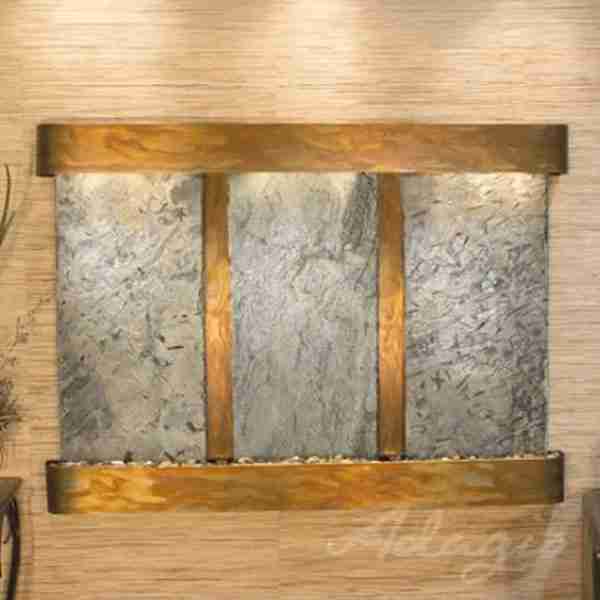
Walk into a room with an indoor waterfall wall and the first thing you notice isn’t the water. It’s the sound. Before your eyes even find the feature, your shoulders drop half an inch and the noise from the rest of the house fades into the background. There’s a reason luxury hotels, high-end spas, and upscale restaurants put water features in their entryways. Moving water changes the way a space feels in a way that no piece of furniture, no light fixture, and no paint color can replicate on its own. And over the past several years, that same experience has been making its way into private homes at every price point.
The appeal goes beyond aesthetics. Indoor waterfalls act as natural humidifiers, adding gentle moisture to the air without the noise, mist, and constant refilling that standalone humidifiers demand. The evaporation is gradual and self-regulating, so the air absorbs only what it needs, which means you don’t end up with condensation problems the way you might with an aggressive mechanical humidifier running full blast in a sealed room. Moving water also generates negative ions that bind to airborne dust, pollen, and other particles, effectively pulling them out of the air. It’s not a replacement for an air purifier, but it’s a meaningful bonus that comes with a feature you’re installing for entirely different reasons. That combination of visual drama, sound therapy, air quality improvement, and genuine design impact is what makes an indoor waterfall for your home one of the most rewarding investments you can make in a living space.
Understanding the Different Types
Indoor waterfalls break down into three broad categories, and each one serves a different purpose. Wall-mounted panels are the most popular for living rooms and entryways because they deliver dramatic visual impact without using any floor space at all. A typical wall-mounted unit consists of a flat panel surface, usually tempered glass, natural stone, or brushed metal, mounted inside a frame with a reservoir basin at the bottom and a water distribution bar at the top. Water flows from the top in a thin, even sheet and cascades down the surface, where a submersible pump in the basin recirculates it back up. Most panels range from about 3 feet to 7 feet tall, though custom sizes are available for larger walls. Installation is more straightforward than people expect. The unit mounts to wall studs or masonry with heavy-duty brackets, plugs into a standard outlet, and uses a closed-loop system that doesn’t require any plumbing connections whatsoever. You fill the basin, plug it in, and the water starts flowing.
Freestanding floor models don’t attach to anything. They stand on their own and can go anywhere you have a level surface and an outlet. That flexibility is their biggest selling point. You can position one in a corner, use a tall tower as a room divider between your living area and dining space, or place one at the end of a hallway where it draws the eye deeper into the home. If you rearrange your furniture, move houses, or change your mind about placement, you just pick it up and move it. Heights range from compact 18-inch tabletop models to dramatic 6- and 7-foot towers in polished stone, stacked slate, brushed stainless steel, and acrylic with LED backlighting. Browse our collection of indoor floor fountains to see the full range.
Built-in architectural waterfalls are in a different league entirely. These are custom installations that become a permanent part of the home’s structure. A floor-to-ceiling glass panel recessed into a living room wall. A stone cascade integrated into a fireplace surround. A full water wall that separates a grand foyer from a formal sitting room. They require professional design, structural reinforcement, waterproofing behind the wall surface, dedicated electrical circuits, and sometimes plumbed auto-fill systems. They’re a significant investment, but the result is a feature that looks like it was always meant to be there, because it was designed as part of the space from the very beginning.
Living Room Ideas That Actually Work
The living room is where most people picture their indoor waterfall, and it’s where the feature has the most impact on daily life. You spend more waking hours here than in almost any other room. You entertain guests here. You unwind here. A waterfall in this room doesn’t just decorate a wall. It fundamentally changes the acoustic character of the space and the way people feel when they’re in it.
The best indoor waterfall wall ideas for living rooms start with matching the feature to the room’s existing design language rather than treating it as a standalone object. A clear or lightly tinted glass panel mounted on a feature wall is one of the cleanest executions for modern and minimalist interiors. The glass lets light pass through, so it works beautifully on walls that receive natural light from nearby windows or skylights. At night, integrated LED lighting along the top or bottom edge creates a warm ambient glow that makes the water shimmer. What makes glass panels especially versatile is that they almost disappear when the water isn’t running. The surface reads as a sleek architectural accent, not an appliance. Turn it on, and the cascading sheet of water becomes the room’s undisputed focal point. Turn it off, and the room still looks intentional and complete.
If your living room leans toward warmer, more organic aesthetics, natural stone changes the equation entirely. Stacked slate, rough-cut granite, and river rock surfaces bring a texture and earthiness that glass can’t touch. The sound profile is different too, and this matters more than most people realize when they’re shopping. Water flowing over textured stone produces a richer, more layered sound than water sliding down smooth glass. You get small splashes, subtle trickles, and a depth to the audio that’s closer to an actual creek than a manufactured water feature. Stone waterfalls pair naturally with rooms that already have exposed wood beams, tile or stone flooring, and warm ambient lighting. They also sit beautifully alongside fireplaces, creating a fire-and-water contrast that looks dramatic in photos but feels surprisingly calming in person.
For something more glamorous, metal-framed panels with mirrored backing double the visual impact of the water by reflecting the cascade, which also makes the room feel larger and brighter. Stainless steel and brushed copper frames catch ambient light differently throughout the day, so the feature shifts in character from morning to evening. These work well in formal living rooms and dining areas where you want the waterfall to feel like a piece of fine art rather than a nature element.
Beyond the Living Room
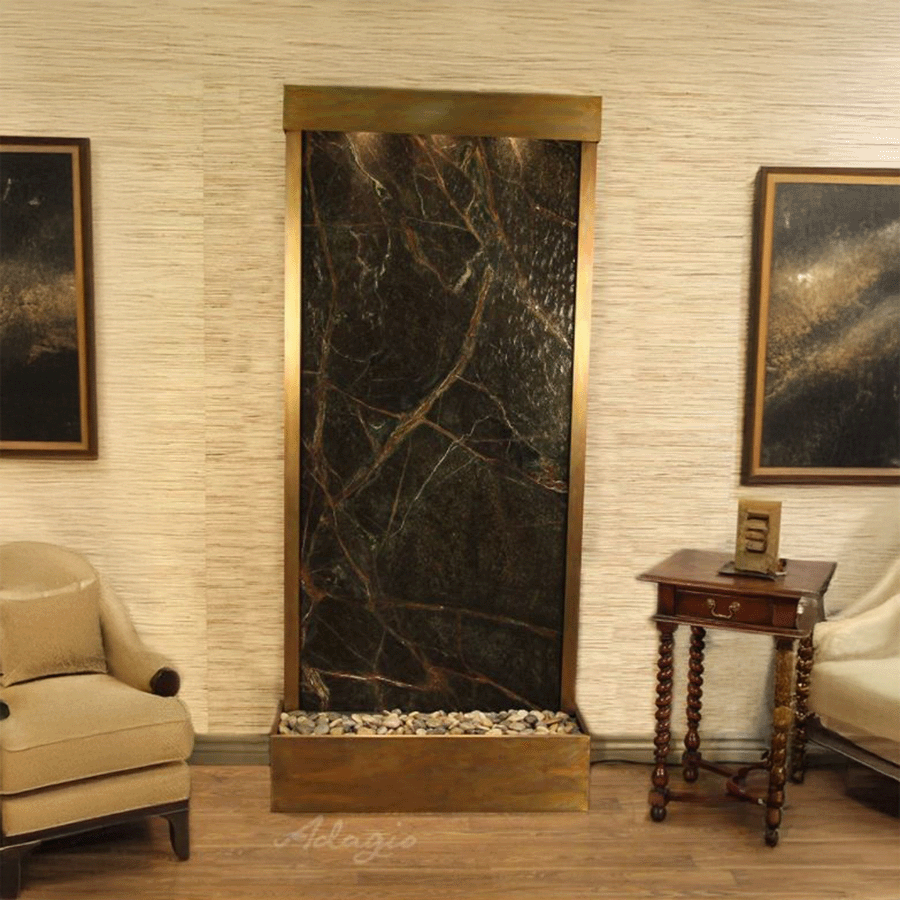
Some of the best indoor waterfall placements we’ve seen are in rooms people don’t immediately think of. A large indoor waterfall feature in an entryway sets the tone for the entire home before anyone takes a second step through the door. The sound arrives first, then the visual. In a two-story foyer with high ceilings, a tall wall-mounted panel or freestanding tower fills that vertical space in a way that a painting or a console table simply cannot. If your home has a grand entrance, this is the room where going big delivers the most return, both aesthetically and in terms of the impression it leaves on guests.
Home offices are a sleeper hit for indoor waterfalls. The sound of flowing water masks distracting background noise—from street traffic and barking dogs to kitchen sounds and household conversations—and creates a focused acoustic environment that’s genuinely conducive to deep work. You don’t need something enormous. A smaller wall-mounted panel or a compact freestanding fountain positioned behind or beside your desk provides just enough sound to soften the world outside your office door without becoming its own distraction. Our indoor wall fountains include several models sized specifically for offices and smaller rooms where subtlety matters more than spectacle.
Bedrooms and meditation rooms call for the gentlest approach. Here, the sound of water matters more than visual scale, and you want a soft, consistent flow that helps you relax and drift off rather than a dramatic cascade that stimulates conversation. Smaller panels with adjustable pump speeds let you dial the flow down to a barely-there trickle at bedtime and turn it up during the day when you want more presence. Position the waterfall away from the headboard to avoid any sense of splash proximity, and choose materials that complement rather than compete with the room’s palette.
Choosing the Right Material
Material isn’t just about looks. It determines how your indoor waterfall sounds, what kind of maintenance it needs, how heavy it is, and how it ages over time. Glass is the default for contemporary spaces, and for good reason. Tempered glass panels are durable, easy to wipe clean, and produce the smoothest, softest water flow of any material. Clear glass lets the wall behind it show through, which is great if you have an accent wall with an interesting texture or color. Tinted and frosted options add privacy and visual depth. The one thing to watch with glass is mineral buildup. If you fill your fountain with hard tap water, calcium and lime deposits will gradually cloud the surface. Switching to distilled water or adding a water treatment product to the basin prevents this entirely and keeps the glass clear indefinitely.
Natural stone brings warmth, texture, and a sense of permanence that manufactured surfaces can’t fully replicate. Slate, granite, marble, travertine, each has unique veining and color variation, so no two stone panels look exactly alike. Stone is heavier than glass or metal, which means wall-mounted stone panels need sturdy hardware and a wall that can handle the load, but the trade-off is a feature that looks and feels substantial in a way that lighter materials sometimes don’t. Midwest Tropical’s guide to water walls is a useful resource for exploring the full range of material options available in custom and semi-custom installations. Metal finishes split the difference in interesting ways. Stainless steel stays bright and reflective with almost no upkeep. Copper develops a green patina over time that many homeowners love because the feature evolves visually as it ages. Metal panels are lighter than stone, making wall mounting simpler, and the sound character is a bit different. Water hitting metal produces a slightly sharper, more percussive tone than water on glass or stone. Whether that’s appealing or not is entirely personal, but it’s worth thinking about before you commit.
The Moisture Question
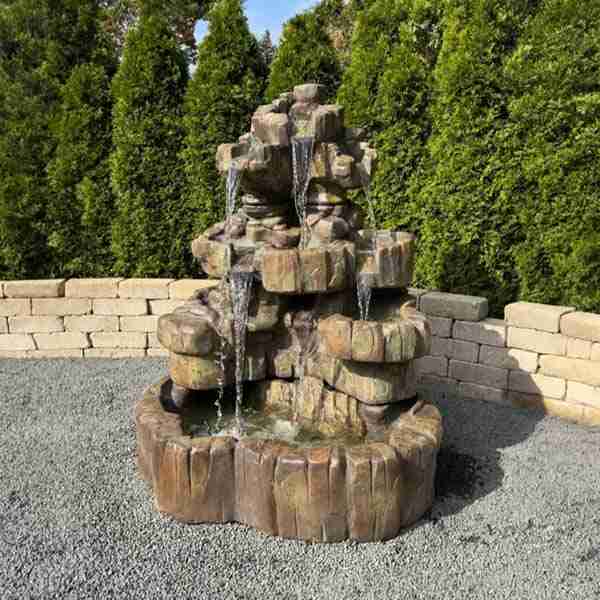
Every homeowner considering an indoor waterfall eventually asks the same thing: will this damage my walls, my floors, or my furniture? The concern makes sense. You’re introducing moving water into a room that wasn’t originally designed for it. But the reality is far less dramatic than the worry. Indoor waterfall fountains are closed-loop recirculating systems. The same water cycles from the basin through the pump, up the tubing, and back down the panel surface continuously. The amount of moisture that evaporates into the air is modest and gradual, comparable to a standard room humidifier running on a low setting. In dry climates and during winter months when forced-air heating pulls moisture out of every room in the house, that gentle humidity is actually a benefit. It helps prevent dry skin, reduces static electricity, protects wood furniture and hardwood floors from shrinking and cracking, and makes heated air feel warmer at lower thermostat settings. Water Gallery breaks down the humidifying properties of indoor fountains in helpful detail if you want to understand the mechanics behind it.
Moisture only becomes a problem in two scenarios: when a waterfall is dramatically oversized for a small, poorly ventilated room, or when the unit isn’t maintained and water splashes outside the basin onto surrounding surfaces. Both are avoidable. For standard living rooms, entryways, and home offices with normal ventilation, moisture from an indoor waterfall is a non-issue. If you ever notice condensation on windows or nearby surfaces, running a ceiling fan on low or cracking a window solves it immediately.
Sound, Size, and Getting Both Right
Sound is one of the primary reasons people buy an indoor waterfall, and the type of sound you get depends on the material, the height of the water drop, the flow rate, and the texture of the surface. Glass panels produce the softest sound because the water flows in a thin, unbroken sheet with very little turbulence. Stone creates a richer, more varied sound because the textured surface breaks the water into smaller streams and droplets. Metal falls somewhere in between, with a clean, slightly brighter tone. If you want maximum sound output for masking traffic noise or creating a spa-like atmosphere, go tall and choose a textured surface. If you want subtle background-level ambiance, a shorter glass panel with a low flow rate is the better choice. Most quality indoor waterfalls come with adjustable-speed pumps, which gives you the ability to fine-tune the sound to suit different times of day and different moods.
Size is just as important as material when it comes to the overall effect. An indoor waterfall that’s too small for the wall it occupies looks like an afterthought, and one that’s too large can overwhelm a room and make the space feel noisy and cluttered. For rooms with standard 8-foot ceilings, a wall-mounted panel between 4 and 6 feet tall delivers a strong presence without bumping up against the ceiling line. In rooms with 9- to 10-foot ceilings, you can stretch taller. For double-height foyers and open-concept great rooms, floor-to-ceiling installations of 10 feet or more create genuine showstopper moments. Width matters too. A single 2-foot-wide panel suits a narrow wall or hallway, while a 4- to 6-foot-wide panel or multi-panel arrangement anchors a larger room. When you’re on the fence between two sizes, lean slightly larger. A waterfall that commands its wall always looks more intentional than one that gets lost in the space around it.
Installation, Electrical, and What to Budget
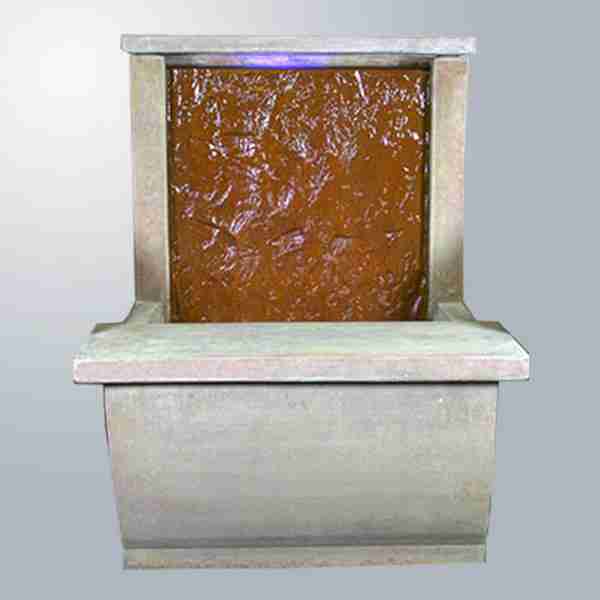
Most pre-built indoor waterfall fountains are designed for plug-and-play simplicity. The submersible pump lives in the base, the power cord plugs into a standard 110V outlet, and wall-mounted models come with all the brackets and hardware you need. There’s no plumber required because the system recirculates its own water. The main thing to verify before you mount a wall unit is whether your wall can support the weight. A glass panel with a full basin can top 100 pounds, so you need to hit wall studs or use masonry anchors if you’re mounting to brick or concrete. Standard drywall anchors alone won’t hold for heavier pieces. Custom built-in installations are a different conversation entirely. These typically require waterproofing behind the wall, structural reinforcement, a dedicated electrical circuit, and sometimes a plumbed water line with an auto-fill valve. For those projects, working with a contractor who has actual experience with water features is essential.
On pricing, indoor waterfalls span a wide range, and knowing where the breaks fall helps you set realistic expectations. Small tabletop and compact wall-mounted units in resin or basic glass start around $100 to $500 and work well for offices, bedrooms, and smaller rooms. The $500 to $2,500 range is where most living room and entryway installations land, and it’s where you start seeing tempered glass, natural slate, stainless steel, and cast stone in sizes that genuinely anchor a room. Above that, $2,500 to $5,000 gets you into large-format panels, multi-panel arrangements, premium stone, and integrated LED lighting. Fully custom built-in waterfalls start around $5,000 and can reach $20,000 or more depending on materials, dimensions, and complexity. Most ready-made units ship with the pump included, and we offer free shipping nationwide. If you’d like help narrowing down the right model for your budget, our team is happy to walk through the options with you.
Maintenance and Long-Term Care
Indoor waterfalls require far less upkeep than outdoor water features because there’s no weather, no fallen leaves, and no algae fueled by direct sunlight. But a few simple habits make the difference between a feature that runs quietly and beautifully for years and one that develops problems within months. Top off the water level regularly, about once a week for most homes. Evaporation slowly lowers the basin, and running the pump with too little water damages the motor and creates annoying splashing sounds that undercut the whole purpose of the feature. Clean the panel surface periodically to remove mineral deposits and water spots, especially on glass. Using distilled or filtered water from the start reduces buildup dramatically. Pull the pump out every few months, rinse the intake screen, and clear any sediment from the basin. A clogged pump works harder, runs louder, and dies sooner. And if you’re heading out of town for a while, turn the pump off and unplug it. A pump running dry in an evaporating basin is the fastest way to destroy it.
Finding the Right One
Choosing an indoor waterfall comes down to three honest questions. First, what’s the room? Measure the wall or floor space, note the ceiling height and outlet locations, and look at the room’s existing design language. A sleek glass panel looks wrong in a rustic cabin the same way a stacked slate cascade would feel out of place in a white-walled minimalist loft. The best installations feel intentional because the material, scale, and style echo what’s already happening in the room rather than fighting against it.
Second, what’s the sound you want? Do you want the waterfall to be the dominant sound in the room, filling silence and masking outside noise? Or do you want it to sit quietly in the background, barely noticeable until someone turns it off and the room suddenly feels emptier? Your answer points you toward taller or shorter, textured or smooth, higher flow or lower flow. And third, what’s your relationship with this feature over time? A freestanding model moves with you if you sell the house. A wall-mounted panel stays put. A built-in custom installation becomes part of the home’s permanent character and adds real value to the property.
We’ve spent 27 years helping people work through exactly these decisions. If you want someone to talk it through with, give us a call at (941) 256-0152 or browse our full indoor fountain selection to start narrowing things down. We’ll help you find the right fit.