


Water fountains have been around for thousands of years, and the basic idea behind them hasn’t changed much. Water moves from a low point to a high point, then gravity pulls it back down. That falling water creates the sound, movement, and visual appeal that make fountains so enjoyable to watch and listen to. The mechanics are simpler than most people expect, and understanding them can help you choose the right fountain for your space and keep it running well for years.
The earliest fountains relied entirely on natural forces. Ancient Romans built massive aqueduct systems that carried water from elevated hillsides into city centers, sometimes traveling dozens of miles before reaching a fountain’s spout. The pressure created by that height difference was enough to push water upward through pipes and out of decorative outlets without any machinery at all. The Trevi Fountain in Rome, completed in 1762, still operates on this gravity-fed principle today. Places like the Alhambra in Spain and the Villa d’Este in Italy used similar engineering, with sloped channels and underground pipes that balanced flow and pressure through careful design rather than mechanical force.
The Recirculating Pump System Behind Modern Fountains
Most residential and commercial outdoor fountains sold today use a recirculating pump system. Unlike those ancient gravity-fed designs, a modern fountain doesn’t need an elevated water source or a constant supply of fresh water. Instead, it reuses the same water over and over in a closed loop. You fill the fountain’s basin once, plug in the pump, and the water cycles continuously from the basin up through the fountain structure and back down again.
The pump is the engine of the whole system. It sits submerged in the basin or reservoir at the base of the fountain, drawing water in through a small intake and pushing it upward through tubing that runs inside the fountain’s body. Inside the pump, an impeller (a small wheel with angled blades, similar to a tiny propeller) spins rapidly when powered by an electric motor. That spinning creates pressure, which forces water up through the tubing and out through the fountain’s head or spout. Once the water exits, gravity does the rest — it cascades, trickles, or streams back down into the basin where it collects and gets recycled through the pump again.
This is why most fountains don’t actually consume much water at all. The only water you lose comes from evaporation and occasional splash-out, which means you’ll top off the basin with a garden hose every week or two depending on the weather. The pump itself typically runs on a standard 110-volt household outlet and draws very little electricity. It’s a straightforward, low-maintenance setup that works reliably season after season.
Key Components That Keep a Fountain Running
Every fountain, regardless of its size or style, shares a few core components. Knowing what each one does helps you troubleshoot problems and understand what you’re buying.
The basin or reservoir holds the water supply and houses the pump. On freestanding fountains, this is usually the large bottom bowl or pedestal base you can see. Some designs use a buried reservoir hidden beneath gravel or decorative stone, which gives the illusion that water is disappearing into the ground. These are sometimes called “disappearing fountains” and they’re popular for patios and garden beds where you want the visual effect without a visible pool of water.
The submersible pump is the heart of the system. Pump power is measured in GPH, or gallons per hour, which tells you how much water it can move. A small tabletop fountain might only need a pump rated at 40 to 80 GPH, while a large tiered outdoor fountain could require 300 GPH or more. Choosing the right pump size matters. Too small and the water won’t reach the top or will flow weakly. Too large and you’ll get excessive splashing and noise.
The tubing connects the pump output to the fountain’s head or spout. It runs internally through the fountain structure and is usually flexible vinyl or PVC in a diameter matched to the pump’s output fitting. Tubing can develop mineral deposits over time, especially in areas with hard water, so occasional cleaning keeps the flow consistent.
The head, spout, or nozzle is where the water exits the fountain. The design of this component shapes the entire visual and auditory experience. A narrow nozzle creates a focused stream or jet, while a wider opening produces a gentle sheet of water. On tiered fountains, each bowl acts as both a catch basin and a secondary spout, with water spilling over the rim of one tier into the next one below.
How Tiered Fountains Move Water Upward
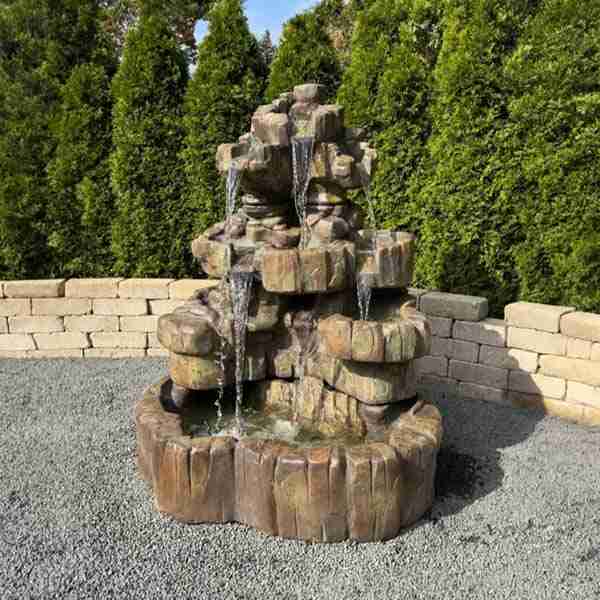
Tiered fountains are among the most popular styles, and people often wonder how they get water to rise through multiple levels. The answer is still just one pump at the bottom. A single submersible pump in the base basin pushes water through a central tube that runs vertically up through the core of the fountain. The water exits at the highest point, fills the top bowl, and overflows the rim into the next tier below. That tier fills and spills into the next, and so on, until the water reaches the bottom basin where the pump picks it up and sends it back to the top.
The pump needs to be powerful enough to push water to the full height of the fountain with enough volume to create a steady overflow at each level. This is why pump sizing depends heavily on a fountain’s overall height and the number of tiers. A two-tier fountain that stands three feet tall has very different pump requirements than a four-tier fountain at six feet. We include the right pump with every fountain we sell, matched to the specific height and flow characteristics of that model, so you don’t have to guess.
How Do Fountains Work Without Electricity
Not every fountain needs a power outlet. If you’re working with a location that doesn’t have easy access to electricity, or you simply want to keep things off the grid, there are two main alternatives worth knowing about.
Solar-powered fountains use a photovoltaic panel to convert sunlight into electricity, which powers a small submersible pump. The mechanics are identical to a standard electric fountain; the only difference is the power source. The solar panel generates direct current (DC) electricity that drives the pump’s impeller just like an AC motor would. Some solar fountain kits include a battery backup that stores energy during the day so the fountain can run after sunset or during cloudy stretches. Without a battery, the fountain operates only when the panel receives direct sunlight, and the water flow will vary with cloud cover throughout the day.
Solar fountains work best in locations that receive at least six hours of direct sun daily. They’re a practical option for birdbath fountains, small garden features, and areas where running an extension cord or hiring an electrician isn’t realistic. For larger fountains that need a consistent, strong flow, a standard electric pump is still the more reliable choice.
Gravity-fed fountains are the oldest design concept and they still work today. The principle is simple: water stored at a higher elevation flows downhill through a pipe, and the pressure created by that height difference pushes the water out of a spout at a lower point. The greater the vertical drop between the water source and the outlet, the stronger the flow. You can create a basic gravity-fed water feature using a rain barrel elevated on blocks with a hose running down to a basin or birdbath. No pump, no electricity, no moving parts. The tradeoff is that gravity-fed systems need a continuous water source at an elevated position, which limits where and how you can use them. For most residential setups, a recirculating electric pump is far more practical.
Fountain Water Pumps: Electric Requirements and Sizing
If you’re buying a fountain for your home, you’ll almost certainly be working with an electric recirculating pump. Here’s what you should know about the electrical side of things.
Most residential fountain pumps plug into a standard 110-volt GFCI-protected outdoor outlet. GFCI (ground-fault circuit interrupter) protection is required by electrical code for outdoor water features because it cuts power instantly if it detects a ground fault, which protects against electrical shock. If you don’t already have a GFCI outlet near your planned fountain location, an electrician can install one. The pump’s power cord typically runs 10 to 15 feet, so plan your fountain placement with outlet proximity in mind.
When it comes to pump sizing, two numbers matter most:
- GPH (gallons per hour) tells you the volume of water the pump can move. Higher GPH means more water flow, which translates to a fuller, more dramatic cascade. A small wall fountain might run well on 100 GPH, while a large multi-tier garden fountain could need 400 GPH or more.
- Max head height (or lift) is the maximum vertical distance the pump can push water. If your fountain is four feet tall, you need a pump with a max head height greater than four feet. Keep in mind that actual flow decreases as the pump pushes water higher, so choosing a pump with some headroom above your fountain’s height ensures a strong, consistent flow at the top.
Running costs are minimal. A typical residential fountain pump draws between 15 and 50 watts, which translates to roughly $2 to $8 per month in electricity when running continuously. Many fountain owners put their pump on a timer to run during the hours they’re most likely to enjoy it and shut off overnight.
Common Misconceptions About How Fountains Use Water
One of the most frequent questions we hear is whether a fountain wastes water. The short answer is no. Because a recirculating fountain reuses the same water in a closed loop, it doesn’t consume water the way a sprinkler or irrigation system does. The only losses come from natural evaporation (which increases in hot, dry, or windy conditions) and minor splashing. In practice, you’ll add a gallon or two of water per week to most residential fountains, depending on size and weather. That’s less water than a single load of laundry uses.
Another common misunderstanding is that fountains need a direct connection to your home’s plumbing. They don’t. You fill the basin with a garden hose, and the recirculating pump handles everything from there. There’s no plumbing hookup, no drain line, and no ongoing water supply needed. This is one of the reasons fountains are so much easier to install than people expect.
Residential Pumps vs. Commercial Lake Fountain Systems
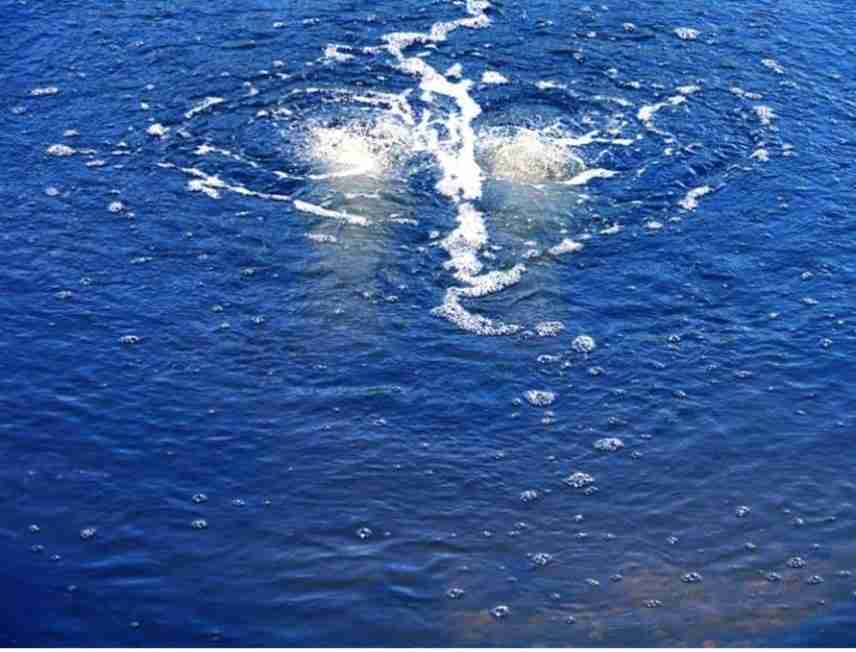
It’s worth understanding that the small submersible pump in a backyard fountain is a very different piece of equipment from what powers a large lake or pond fountain. Commercial lake fountain systems use high-powered external pumps, sometimes rated in the thousands of GPH, with specialized nozzles that create spray patterns visible from hundreds of feet away. These systems require dedicated electrical service, professional installation, and regular maintenance by trained technicians.
Residential fountain pumps, by comparison, are compact, quiet, and designed for simple plug-and-play operation. They’re sealed units that sit underwater in your fountain’s basin, and replacing one typically takes less than ten minutes. If a residential pump fails after a few years of use, a replacement pump matched to your fountain’s specs is affordable and easy to swap in. The key difference is scale, not principle. Whether it’s a decorative garden fountain or a municipal lake feature, the core mechanics of moving water with an impeller-driven pump are exactly the same.
Protecting Your Fountain Through the Seasons
A fountain pump is built to run in water, but it’s not built to survive a freeze. If you live in a climate where temperatures drop below freezing in winter, you’ll need to winterize your fountain before the cold sets in. That means draining all the water from the basins, removing the pump and storing it indoors, and covering or moving the fountain itself if it’s made from a material that can crack when frozen moisture expands inside it. Cast stone and concrete fountains are particularly vulnerable to freeze damage if water is left sitting in the bowls.
In warmer climates like Florida, where many of our customers are, year-round operation is common. Even so, keeping up with basic maintenance makes a big difference. Check the water level weekly and top it off before it drops below the pump intake. Clear out leaves and debris that land in the basin. Every few months, drain the fountain completely, clean the basin with a vinegar-and-water solution, and rinse the pump to remove any mineral buildup. These simple steps keep the water looking clean, the pump running efficiently, and the fountain itself looking its best for years.
Choosing the Right Fountain System for Your Space
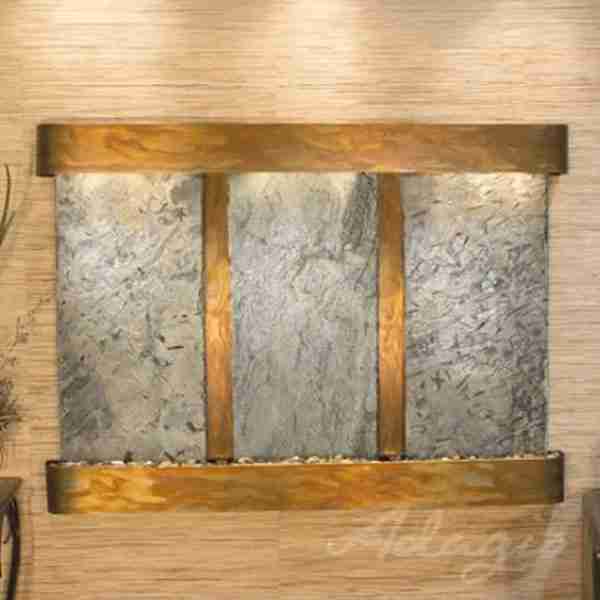
Picking the right fountain starts with understanding how much space you’re working with, where your nearest power source is, and what kind of visual and sound effect you’re going for. A small courtyard or patio might call for a compact wall fountain or a single-tier pedestal style that produces a gentle trickle. A larger garden or backyard entrance could support a dramatic multi-tier fountain with a fuller cascade and more presence. For pool areas, dedicated pool waterfall kits offer a completely different installation approach, with shells molded from natural rock that mount directly to the pool edge.
If you’re not sure which direction to go, that’s what we’re here for. We’ve been helping customers choose, install, and maintain water features for over 27 years, and we’re happy to walk you through the options. Send us some photos of your space and we’ll help you figure out the right fit. You can call us at (941) 256-0152 or text your photos to (502) 298-7752.
Once you understand the simple mechanics behind how water fountains work, the decision comes down to style, size, and placement. The pump does the heavy lifting, gravity handles the rest, and you get to enjoy the sound and beauty of moving water in your outdoor space every day.