Lake & pond resource center

Lake and Pond Algae Control: How to Get Clear Water Again

Last reviewed November 2026

The short answer

Algae grow on sunlight and nutrients (UF/IFAS). For clear water, test first, cut the nutrients that feed algae and add oxygen with aeration. Use an algaecide for fast results, and treat one section of the lake at a time. Lake dye and beneficial bacteria support clearer water. If you see a blue-green scum, stay out of the water, keep pets out and report it to FDEP at 855-305-3903.

Algae control products: what each one does

Most lakes need more than one tool. An algaecide clears the algae that is there now. Dye, nutrient control and aeration help keep it from coming back. Here is what each one does, with a link to shop each one.

Algaecides

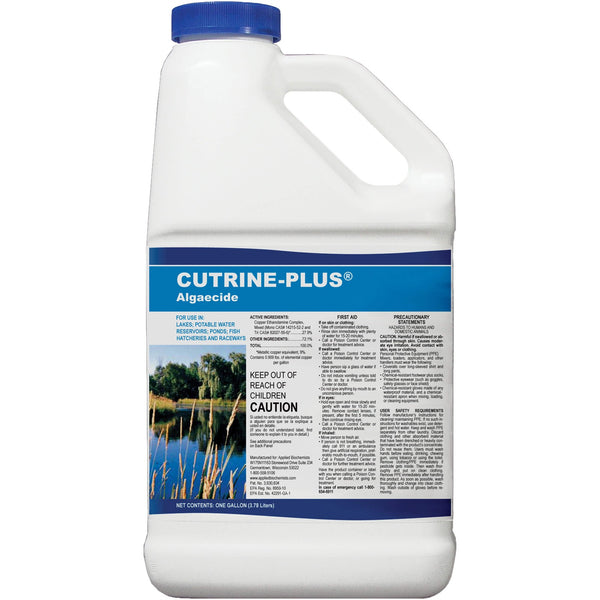
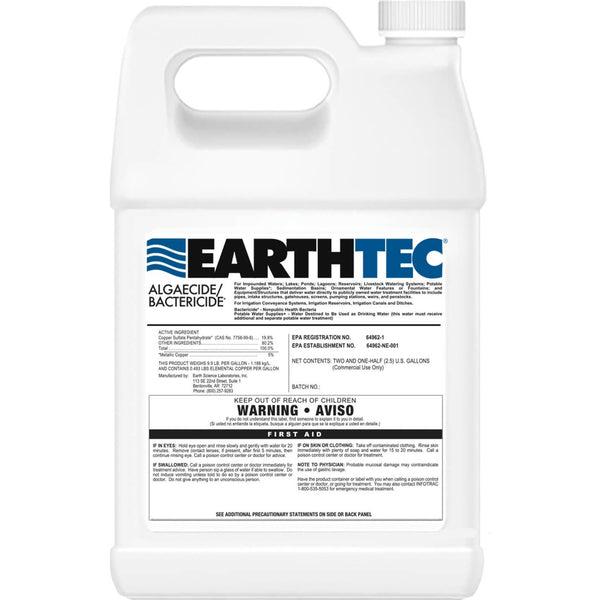
Algaecides such as Cutrine Plus and EarthTec kill the algae that is already in the lake. They give the fastest results on green water and algae mats. Treat one section at a time and follow the label.

Best for: fast results when algae is already there.

Shop algaecides

Lake dye

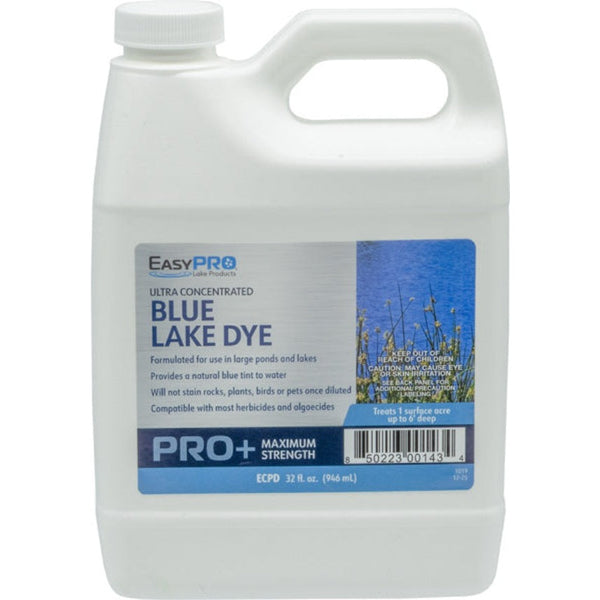
Dye shades the water and cuts the sunlight that algae need to grow. It also gives the lake an even blue or black color. UF/IFAS notes that dye alone is not a long-term fix, so pair it with nutrient control (UF/IFAS).

Best for: lakes and ponds with little outflow, between treatments.

Shop lake dye

Phosphate binders

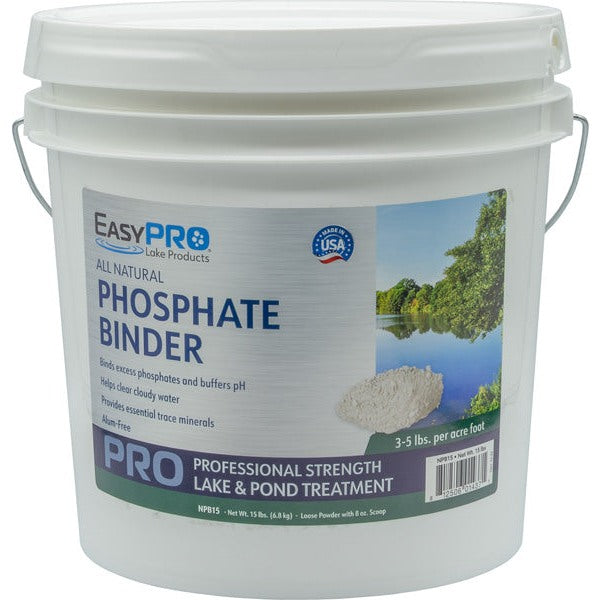
Phosphorus is one of the main nutrients that feed algae. A natural phosphate binder ties up phosphorus in the water, so less of it is left for algae to use.

Best for: lakes that turn green again soon after treatment.

Shop phosphate binders

Beneficial bacteria

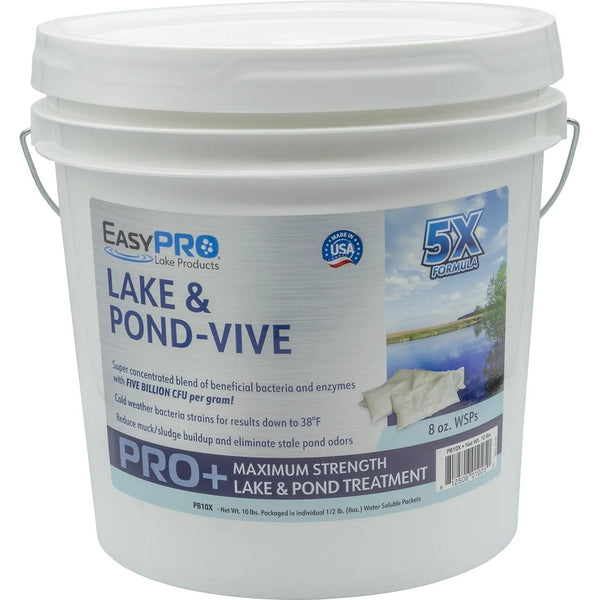
Beneficial bacteria such as EasyPro Lake & Pond-Vive help break down muck and organic waste on the bottom. That waste holds nutrients that feed algae.

Best for: lakes with muck on the bottom or murky water.

Shop beneficial bacteria

Aerating fountains & aerators

Aeration adds oxygen and keeps the water moving, which supports clearer, healthier water. It does not cure algae on its own, so pair it with nutrient control. We carry Kasco VFX Series aerating fountains and RobustAire bottom aeration.

Best for: lakes with low oxygen, odor or still water.

Shop aerating fountains

Rakes & weed cutters

A lake rake pulls algae mats and weeds out of the water by hand, with no chemicals. Removing the growth also removes the nutrients it holds.

Best for: shorelines, docks, beaches and small areas.

Ask about rakes & cutters

Why lakes and ponds turn green

Algae, like plants, use sunlight and nutrients to grow. With plenty of both, they can turn clear water green in a matter of days to weeks. UF/IFAS calls this an algal bloom (UF/IFAS). You cannot do much about the sun, so the nutrients are where you can make the biggest difference.

Most lake algae fall into three groups:

  • Planktonic algae: tiny algae floating in the water. They give the lake a green, pea-soup color.
  • Filamentous algae: stringy mats that often start in shallow water and float to the top.
  • Blue-green algae: technically bacteria (cyanobacteria), and some blooms make toxins. See what to do.

Algae also affect oxygen. FWC notes that dense algal blooms can use up the oxygen in a lake when sunlight is limited (FWC). A stratified lake makes this worse, because the bottom layer runs out of oxygen and holds the nutrients that feed algae.

Diagram of a stratified lake: warm surface water sits over cold, oxygen-poor bottom water where muck builds up.
A stratified, poorly circulated lake. The bottom layer runs out of oxygen and holds the nutrients that feed algae.

Test before you treat

Treating without testing is guesswork. A few simple readings tell you what is driving the algae and how much risk the lake is under.

MeasureWhat it tells youWhat to watch for
Dissolved oxygenWhether fish have enough oxygen. Algae and plants make oxygen in daylight and use it at night.Oxygen is lowest near dawn. Fish gulping at the surface early in the morning is a warning sign.
pHWhether the water chemistry is in balance.FWC gives 6.0 to 8.0 as the ideal range for Florida ponds (FWC).
NutrientsNitrogen and phosphorus decide how much algae a lake can grow (FWC).High readings point to nutrients washing in from around the lake, such as fertilizer, eroded soil or pet waste (UF/IFAS).
ClarityHow much algae or sediment is in the water.A lake that goes from clear to green in days or weeks is having a bloom (UF/IFAS).
TemperatureWarm water holds less oxygen.Summer is when lakes are most at risk.

Not sure what to test? Send us a few photos and the lake size, and we will help you decide.

Blue-green algae: stay out and report it

You cannot tell if a bloom is toxic by looking at it

Blue-green algae can produce toxins that harm people and pets. The state's Protecting Florida Together site says not to drink or swim in water with a bloom. Children, older adults and people with weak immune systems should avoid any contact (Protecting Florida Together).

After you report it, call us. Our licensed lake management partners can help you plan treatment and prevention.

Treat algae in sections

An algaecide kills algae fast, but the dead algae sink and break down, and that uses oxygen. Treat one section of the lake at a time, never the whole lake at once, so the dying algae do not pull the oxygen down (EasyPro). Follow the label for the dose, the wait between treatments and any limits on water use.

Shop algaecides

Then deal with the cause. As the dead algae break down, they release nutrients back into the water, so algae come back unless you cut the nutrients. See the lasting fix.

In Florida, anyone paid to apply algaecides needs a pesticide license from FDACS (FDACS). Our licensed lake management partners do this work in Florida, and nationwide support is available through our network of licensed lake & pond industry experts.

Aeration helps, but it is not a cure

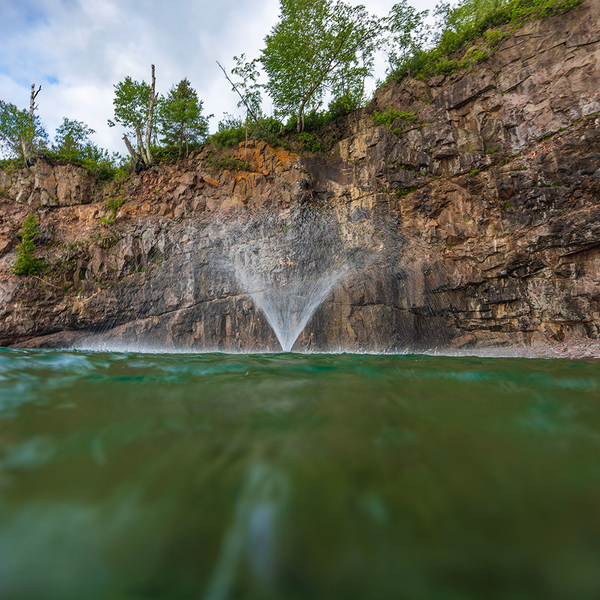
Aeration adds oxygen and keeps the water moving. Oxygen keeps fish alive and helps break down organic matter on the bottom. UF/IFAS notes that the waves from a fountain can also break up algal scums on the surface (UF/IFAS SS695).

Aeration does not cure algae on its own. UF/IFAS warns that mixing nutrient-rich bottom water into the surface can feed an algal bloom, and that starting aeration in a stratified pond can cause a short-term low-oxygen event. Run a new system for short periods at first (UF/IFAS SS695).

An aerating fountain gives you a display and aeration in one unit. Bottom diffused aeration mixes deeper lakes from the bottom up. Compare fountains and aeration equipment.

Shop aerating fountainsShop bottom diffused aeration

The lasting fix: cut the nutrients

For a long-term fix, UF/IFAS says the nutrients need to be addressed. Most of them wash in from the land that drains to the lake (UF/IFAS). Steps that help:

  • Use less fertilizer near the lake, and follow the label when you do fertilize.
  • Cover bare and eroded ground so soil does not wash in.
  • Keep septic systems maintained, and pick up pet waste.
  • Plant a buffer of shoreline plants to catch runoff before it reaches the water.

Check your county's fertilizer rules too. Sarasota County, for example, bans nitrogen and phosphorus fertilizer from June 1 through September 30 (Sarasota County).

In the lake itself, a phosphate binder and beneficial bacteria help reduce the nutrients already in the water and the muck. Lake dye shades the water while the nutrient work takes hold. UF/IFAS notes that dye alone is not a long-term solution, so use it with nutrient control, not instead of it (UF/IFAS).

Shop phosphate binders, bacteria & dye

Watch

Kasco VFX Series Fountain Testimonial: Algae Control. Kasco Marine. Starts at 0:22. Watch on YouTube
Five Tips For a Healthy Pond. Penn State Extension. Watch on YouTube

One call for all pond service & equipment needs

Contact us for your particular needs. We suggest a comprehensive plan to address all of them. Our team provides pricing for the services and materials & equipment if needed. Then our licensed lake management partners perform any field work necessary to complete the plan, unless you want to perform it yourself.

Questions

Why does our lake keep turning green?

Algae grow on sunlight and nutrients. With plenty of both, a lake can go from clear to green in days to weeks (UF/IFAS). An algaecide clears the water, but the dead algae release nutrients back into the lake, so the algae come back. Cutting the nutrients that wash in is the long-term fix.

What should we test, and what are good numbers?

Start with dissolved oxygen, pH, clarity and temperature. FWC gives an ideal pH range of 6.0 to 8.0 for Florida ponds (FWC). Oxygen is lowest near dawn, so test early in the morning when you can. Nutrient tests for nitrogen and phosphorus show what is feeding the algae.

Will aeration clear up algae?

Not by itself. Aeration adds oxygen and movement, and the waves from a fountain can break up surface scums. But UF/IFAS warns that mixing nutrient-rich bottom water into the surface can feed an algal bloom (UF/IFAS SS695). Use aeration with nutrient control, and treat in sections when you need to.

Is blue-green algae dangerous, and who do we report it to?

It can be. Blue-green algae can produce toxins that harm people and pets, and you cannot tell if a bloom is toxic by looking at it (Protecting Florida Together). Stay out of the water, keep pets out and report the bloom to FDEP at ReportAlgalBloom.com or 855-305-3903 (FDEP).

Do dye and beneficial bacteria help?

Yes, as part of a plan. Dye cuts the sunlight that reaches algae, but UF/IFAS notes it is not a long-term solution on its own (UF/IFAS). Beneficial bacteria help break down the muck and organic waste that hold nutrients. Both work best with nutrient control. Shop dye and bacteria.

Who can apply algaecides to our lake?

In Florida, anyone paid to apply algaecides or herbicides needs a pesticide license from FDACS (FDACS). Our licensed lake management partners do this work, unless you want to do it yourself. Outside Florida, nationwide support is available through our network of licensed lake & pond industry experts.

Next steps

Shop the collections

Last reviewed November 2026. General information, not legal advice. Follow each product label, and confirm the rules with your state agency, water management district or county.

Lake and pond assessment

Get a quote

Tell us what you see on the water, and send a few photos if you can. We will recommend products, equipment or a licensed treatment plan.

What are you interested in?

Photos of the lake or pond (optional)

Text photos to (502) 298-7752