Lake & pond resource center

Fish and Wildlife in Lakes and Ponds: Oxygen, Habitat and a Balanced Population

Last reviewed November 2026

The short answer

Fish need oxygen, cover and a balanced population. Oxygen is lowest in the early morning and in hot, still weather (FWC), so aeration that keeps it up overnight helps protect fish. Keep a planted shoreline for habitat, follow FWC guidance when you stock or harvest fish, and report fish kills to FWC at 1-800-636-0511. Never feed an alligator, and call 866-FWC-GATOR if one threatens people, pets or property.

Aeration and help for fish and wildlife

Oxygen is the one thing you can add to a lake. Here is the equipment that does it, and who to call when fish or wildlife need help.

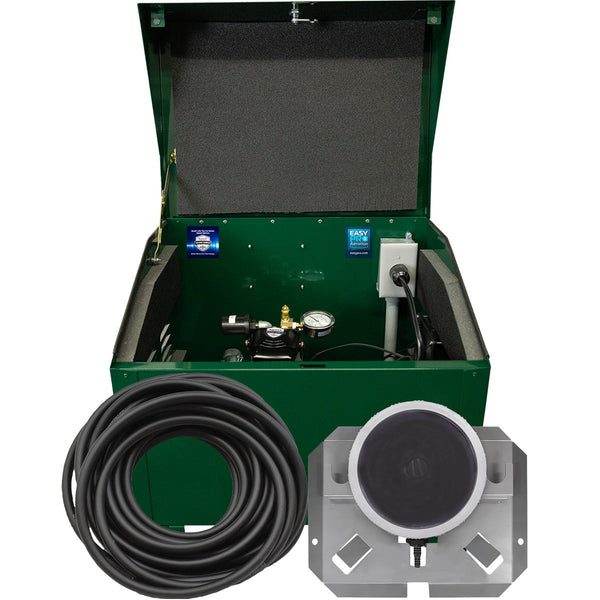
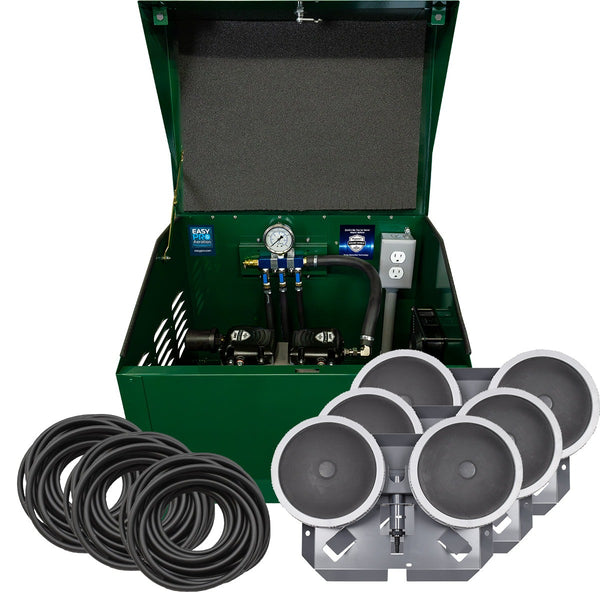
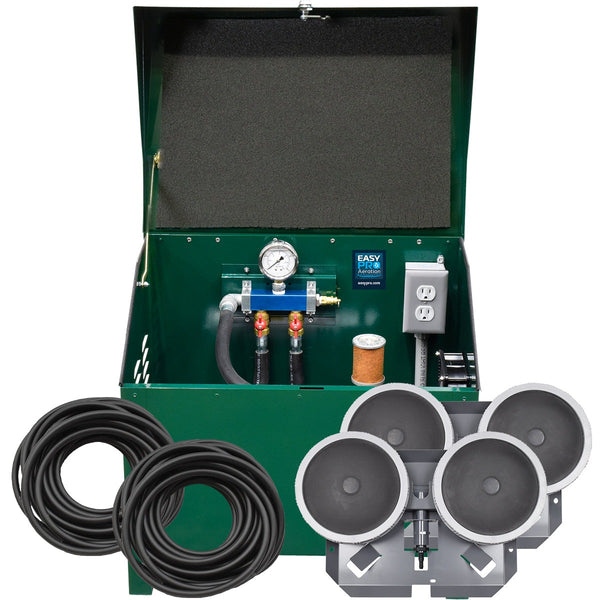
Bottom diffused aeration

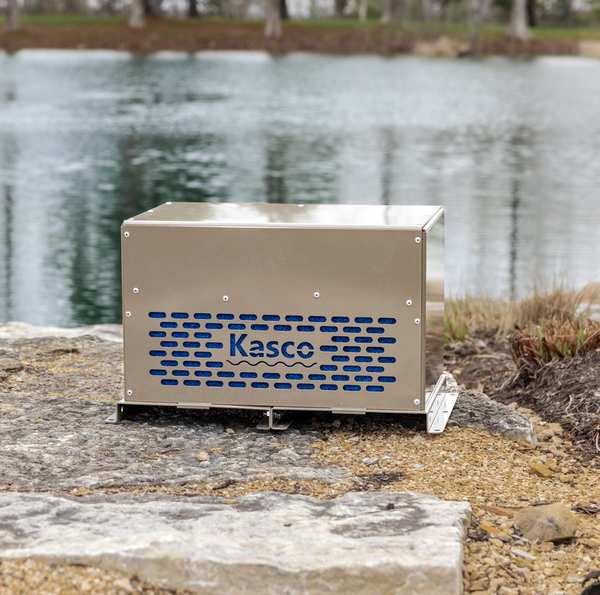
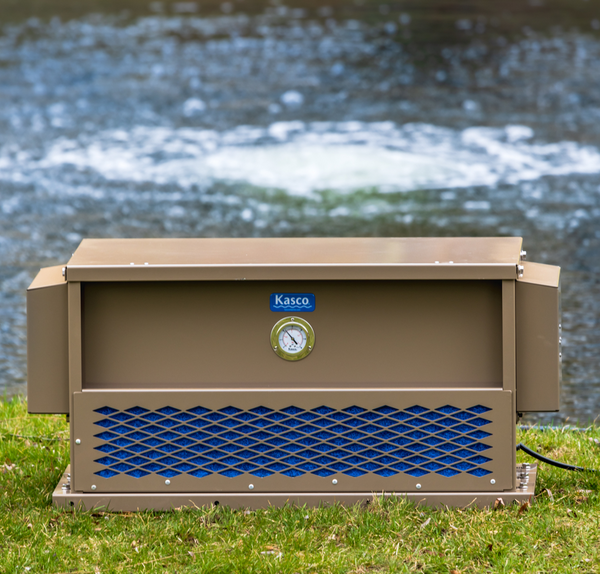
A compressor on shore sends air to diffusers on the lake bottom, and the rising bubbles mix the lake from the bottom up. FWC notes that mixing that adds oxygen can help prevent fish kills (FWC). We carry Kasco RobustAire systems.

Best for: deeper lakes and ponds, and whole-lake mixing.

Shop bottom diffused aeration

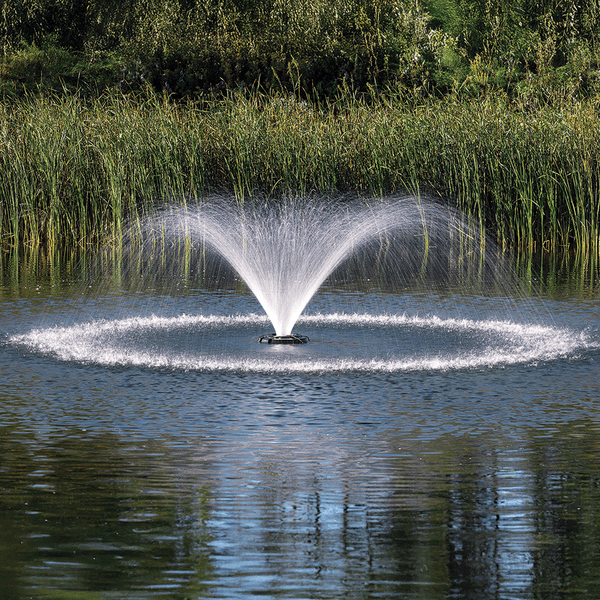
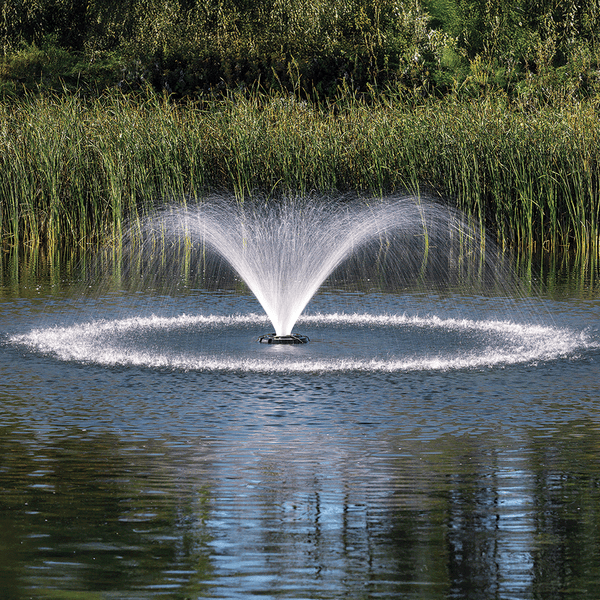
Aerating fountains

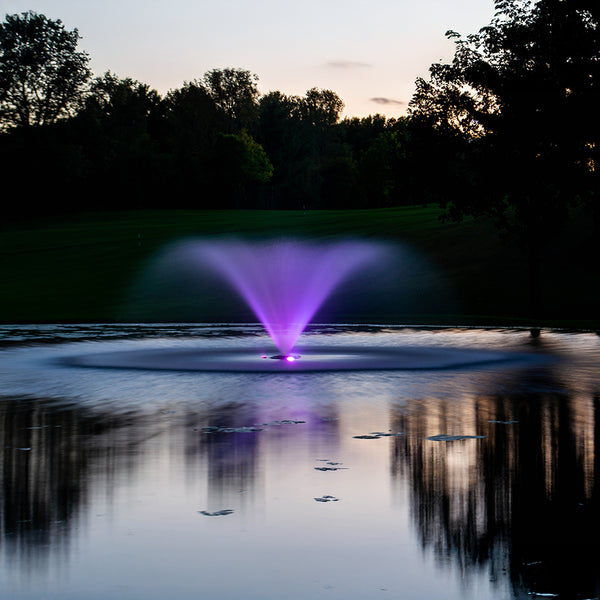
An aerating fountain adds oxygen and movement at the surface and gives you a display at the same time. We carry the Kasco VFX Series.

Best for: a mix of display and oxygen on lakes that are not too deep.

Shop aerating fountains

Surface aerators

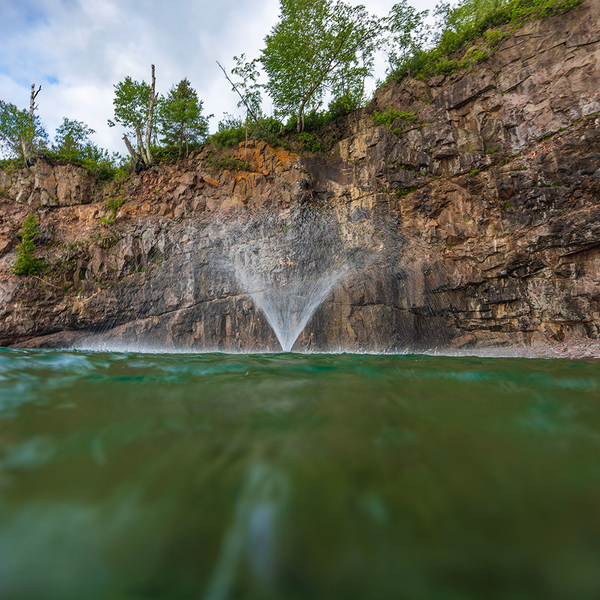
A surface aerator throws a large volume of water a short distance into the air, adding oxygen and movement at the surface. It looks like a low boil, not a spray pattern.

Best for: oxygen in shallow to mid-depth lakes where looks matter less.

Ask about surface aerators

Licensed lake management

On-site assessments, maintenance programs, and weed and algae control through our licensed lake management partners. We set it up and follow up with you.

Best for: HOA lakes with low oxygen or past fish kills.

Get an aeration quote

Report a fish kill

FWC runs the Fish Kill Hotline. Report dead or dying fish online or at 1-800-636-0511, and give the location and your contact details (FWC).

Best for: dead fish, sick fish or discolored water.

Report it to FWC

Nuisance alligators

Never feed an alligator; it is illegal and dangerous. FWC treats an alligator as a nuisance if it is at least 4 feet long and the caller believes it threatens people, pets or property (FWC).

Best for: an alligator that threatens people, pets or property.

FWC alligator program

Oxygen keeps fish alive

Fish breathe oxygen that is dissolved in the water. Plants and algae add oxygen in daylight and use it up at night, so by early morning there may not be enough left, especially in warm, still ponds. Warm water also holds less oxygen (FWC).

That is why most pond fish kills happen in the warmer months. FWC notes they are most common when algae are at their highest and long stretches of calm weather cut the oxygen the water picks up from the air. Decaying plants and runoff full of organic matter use up oxygen too (FWC).

Diagram of a stratified lake: warm surface water sits over cold, oxygen-poor bottom water where muck builds up.
A stratified, poorly circulated lake. Oxygen runs out in the bottom layer, so fish crowd into the warmer water near the surface.

What triggers a fish kill

TriggerWhy oxygen dropsWhat helps
Hot, still weatherWarm water holds less oxygen, and calm weather adds little from the air (FWC).Aeration that runs through the night.
Several cloudy daysLess sunlight, so plants and algae make less oxygen (FWC).Watch the fish closely in the early morning.
Dense algae bloomThe algae use up oxygen at night, and very dense blooms can clog fish gills (FWC).Cut nutrients and treat algae in sections. Algae control
Severe stormsDays of cloud cover and muddy runoff block the sunlight plants need (FWC).A planted shoreline buffer. Shoreline care
Too much fish feedExtra feed uses up oxygen (FWC).Feed only what the fish eat.
Dying plantsDecaying vegetation uses up oxygen (FWC).Treat weeds in sections. Plants and weeds

Fish gasping at the surface?

FWC notes that just before a low-oxygen fish kill, fish may be seen gasping at the surface (FWC). Call us about aeration. If fish are dying, report it to the FWC Fish Kill Hotline online or at 1-800-636-0511, with the location (FWC).

Aeration: the one thing you can add

For ponds with repeated low-oxygen fish kills, FWC suggests aeration. Fountains, bottom air stones and other devices that mix the water from bottom to top while adding oxygen can help keep oxygen up and lower the chance of a fish kill. FWC also suggests talking with an FWC biologist or an aquaculture supply representative before you choose a system (FWC).

Start a new system the right way. UF/IFAS warns that starting aeration in a stratified pond can cause a short-term low-oxygen event and a fish kill, so run it for short periods at first (UF/IFAS SS695).

Not sure which unit fits? Compare fountains and aeration equipment.

Diagram of bottom diffused aeration: a shoreline compressor sends air to diffusers that lift bottom water to the surface.
Bottom diffused aeration lifts oxygen-poor water to the surface and keeps the whole lake moving.

Shop bottom diffused aerationShop aerating fountains

Stocking and harvest: keep the population balanced

Largemouth bass, bluegill, redear sunfish and channel catfish are the popular choices for Florida ponds, and sterile triploid grass carp can be stocked to help control problem plants (FWC). The goal is balance: enough bass to keep the bream in check, and enough bream to feed the bass.

  • New ponds: FWC suggests 250 to 500 bream fingerlings per acre in the fall, then 50 to 100 largemouth bass fingerlings per acre the next spring (FWC).
  • Existing ponds: stocking fingerlings into an established population does not work, because few of them survive (FWC).
  • Harvest: as a general rule, remove 10 pounds of bream for each pound of largemouth bass, and do not take too many bass from ponds under 5 acres. Stunted bream are a sign the pond is out of balance (FWC).
  • Florida bass only: only genetically authenticated Florida bass may be stocked in private ponds, and stocking them needs a no-cost FWC permit (FWC).
  • Grass carp: only sterile triploid grass carp may be stocked in Florida, with an FWC permit (FWC). Do not feed fish in a pond stocked with grass carp (FWC).

Feeding brings fish in close, but too much feed uses up oxygen. FWC notes that heavy feeding often calls for aeration to prevent fish kills (FWC).

Wildlife around the lake

A healthy lake draws wildlife. Animals use the pond and shoreline for water, food and hiding from predators, and in a pond the top predators are people, otters, alligators and some wading birds. A narrow band of shoreline plants gives fish and wildlife habitat and protects the bank (FWC). Native plants in the water also give fish cover and nursery areas (SWFWMD). A shoreline mowed to the water's edge offers little of either. See shoreline care.

Ducks resting on the float of a lake fountain.

Living with alligators

  • Never feed an alligator. It is illegal and dangerous in Florida (FWC).
  • Keep pets on a leash and away from the water's edge (FWC).
  • Swim only in designated areas during daylight. Alligators are most active between dusk and dawn (FWC).
  • If you believe an alligator threatens people, pets or property, call FWC's Nuisance Alligator Hotline at 866-FWC-GATOR (FWC).

No fountain or aerator keeps alligators away.

Watch

Living with Alligators 2025. Florida Fish and Wildlife Conservation Commission. Watch on YouTube
Kasco Marine's Surface Aerator: Fish Rescue Testimonial. Kasco Marine. Watch on YouTube

One call for all pond service & equipment needs

Contact us for your particular needs. We suggest a comprehensive plan to address all of them. Our team provides pricing for the services and materials & equipment if needed. Then our licensed lake management partners perform any field work necessary to complete the plan, unless you want to perform it yourself.

Questions

How do we prevent a fish kill?

FWC says the best way is to keep good water quality. Cut the nutrients that feed algae, avoid overfeeding, and treat algae and weeds in sections so decaying plants do not use up the oxygen. If low-oxygen fish kills keep happening, FWC suggests aeration (FWC).

Should our aerator run at night?

In most lakes, yes. Plants and algae use oxygen at night, so it is lowest by early morning (FWC). Start a new system slowly: UF/IFAS warns that starting aeration in a stratified pond can cause a short-term low-oxygen event (UF/IFAS SS695).

Which fish should we stock?

Largemouth bass, bluegill, redear sunfish and channel catfish are the popular choices. For a new pond, FWC suggests 250 to 500 bream fingerlings per acre in the fall, then 50 to 100 largemouth bass fingerlings per acre the next spring (FWC). Only genetically authenticated Florida bass may be stocked in private ponds (FWC).

How do we keep the fish population balanced?

Harvest the right fish. FWC's general rule is to remove 10 pounds of bream for each pound of largemouth bass, and not to take too many bass from ponds under 5 acres. Stunted bream are a sign of imbalance (FWC).

Do we need a permit for grass carp?

Yes. Only sterile triploid grass carp may be stocked in Florida, and you need an FWC permit (FWC). Stocking Florida bass in private waters also needs a no-cost FWC permit (FWC).

Who do we call about a fish kill or an alligator?

Report fish kills to the FWC Fish Kill Hotline online or at 1-800-636-0511 (FWC). For an alligator that you believe threatens people, pets or property, call 866-FWC-GATOR (FWC). Then call us about aeration and lake care.

Next steps

Shop the collections

Last reviewed November 2026. General information, not legal advice. Follow each product label, and confirm the rules with your state agency, water management district or county.

Lake and pond assessment

Get a quote

Tell us about the lake and the fish: the size, the depth and what you have seen. Add a few photos if you can. We will recommend aeration, service or both.

What are you interested in?

Photos of the lake or pond (optional)

Text photos to 502-298-7752